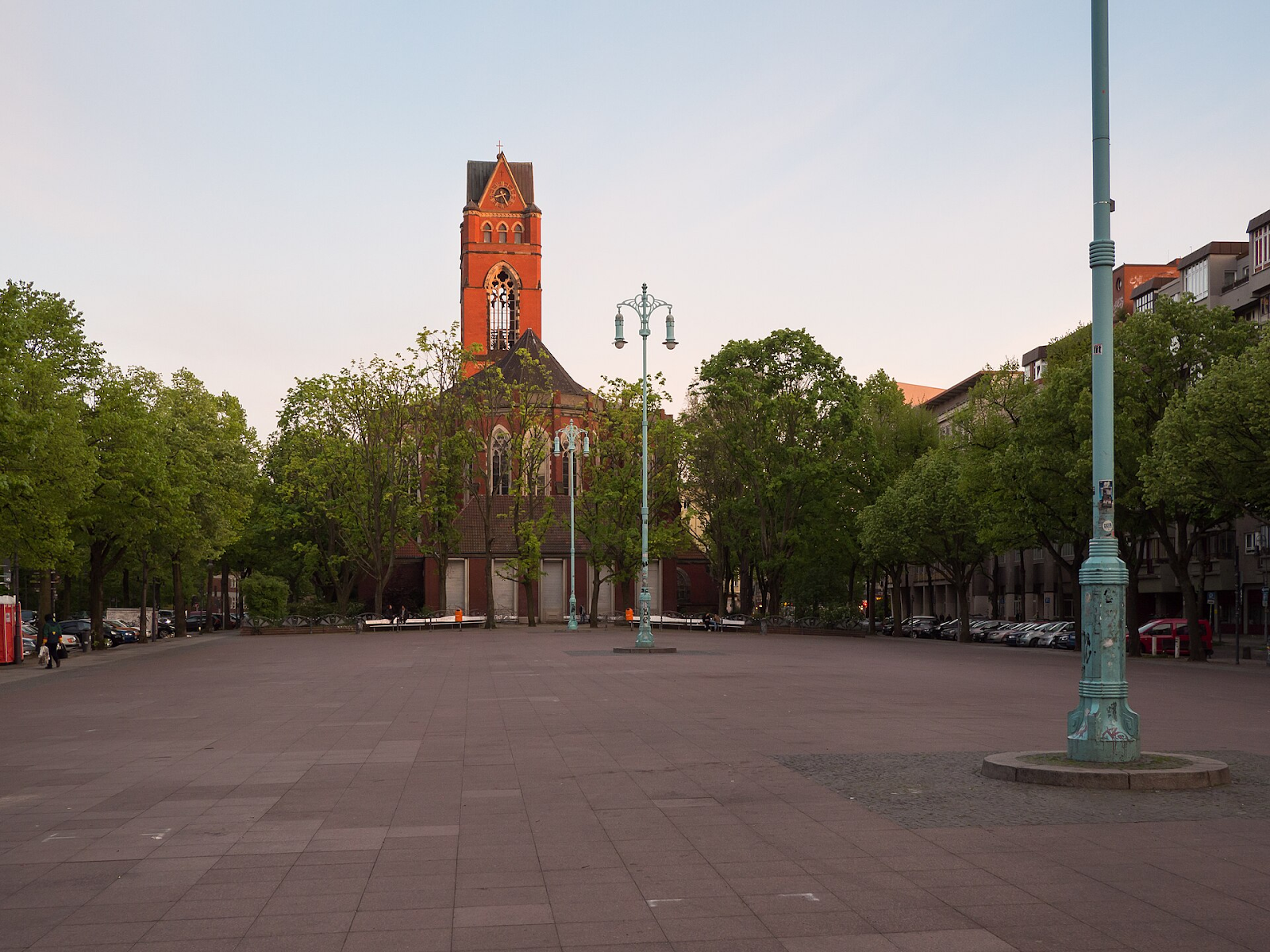
Viktoria-Luise-Platz: Imperial Elegance, the Bayerisches Viertel, and Berlin's Preserved Gründerzeit Oasis

The hexagonal neo-Baroque jewel of Viktoria-Luise-Platz, designed in 1900 by Fritz Encke as the grand residential entrance to Berlin's Bayerisches Viertel. Set back from the thrum of Kurfürstendamm and the commercial bustle of Tauentzienstraße, the western Berlin district of Schöneberg preserves a well-intact example of late-imperial urban planning. Laid out in 1900 as a strict hexagon, Viktoria-Luise-Platz is not merely a peaceful neighborhood square; it is one of the finest surviving examples of late Wilhelminian landscape design and bourgeois ensemble architecture in northern Europe. Named in honor of Princess Viktoria Luise of Prussia (1892–1980)—the only daughter and youngest child of Kaiser Wilhelm II—the square was conceived as the stately, aristocratic gateway to the newly planned Bayerisches Viertel (Bavarian Quarter). While modern casual visitors frequently marvel at its cascading stone fountains and leafy plane trees over afternoon coffee, the ground beneath...